Hip-Hop is place-based. 1520 Sedgwick Ave. Marcy Projects. Queensbridge. Diversey and Clark. 79th and Stoney Island. Realist portraits of what the block was like, way before GPS and Google Earth burned into the listener’s mind – living monuments and memorials to the neighbourhood and the people who lived and worked there.
In order for the planet rock to receive those portraits, headbangers, and testimonials to the local spot, artists needed to secure time and space inside of a recording studio. Before there was an iPhone in your pocket to connect to the masses, before a fruity loop mobile app to cook up something quick to feed the streets, there were only brick-and-mortar cathedrals trying to add gems to the mountain of sound.
And, before Hip-Hop was common place, before it became popular culture, and before it mirrored capitalism – selling us chewing gum and division – there were even fewer spaces in which an artist from the emergent counter and sub-culture could be memorialized on wax. Yes, in short, the recording process and the music business have come a long way. In some ways, it’s become democratized and almost anyone can upload a song to the internets. In the blog era, which built on the innovation of the mixtape era, young people continued to find more grassroots approaches to circumnavigate traditional recording companies in which to find both an audience and an opportunity at a decent income and livelihood. And, unsurprisingly, capitalism and the might of the industry has found ways to commodify the entrepreneurial genius of Hip-Hop generational hustlers.
But even before all that, a handful of recording studios stood alone as a sort of mythic Taj Mahal for the culture. There has long been lore about who might enter these vaunted stages and what went down there. Chung King was the palace of early Def Jam, Marly Marl’s House of Hits was where the Juice Crew formed, Stankonia was where The Dungeon Family cooked up the gumbo of the South, and list goes on.
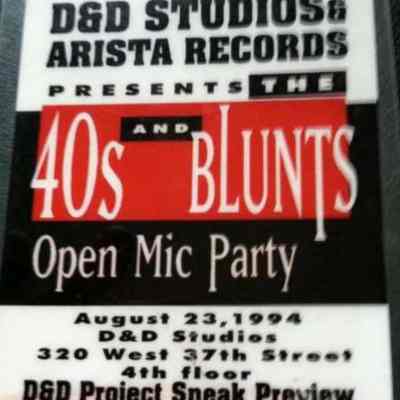
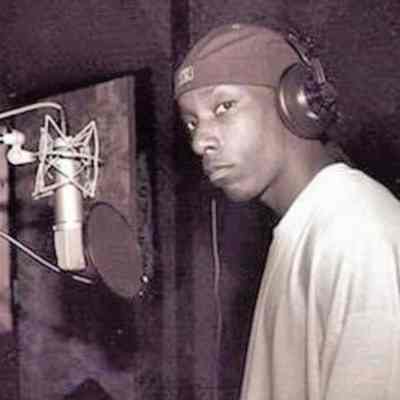
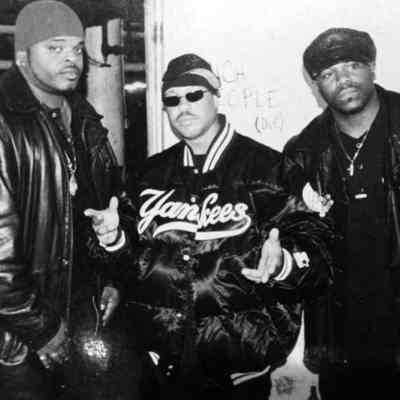
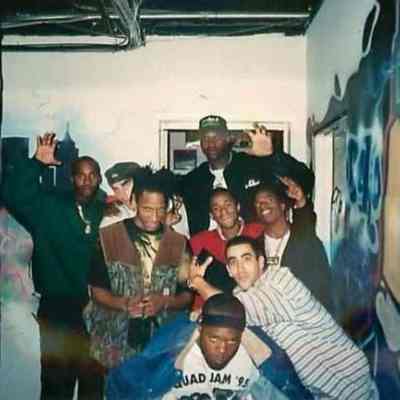
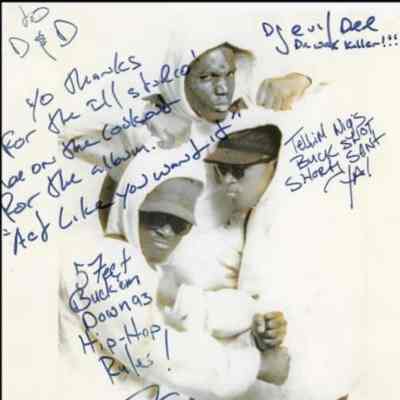
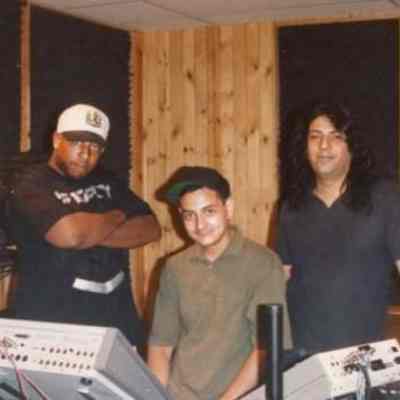
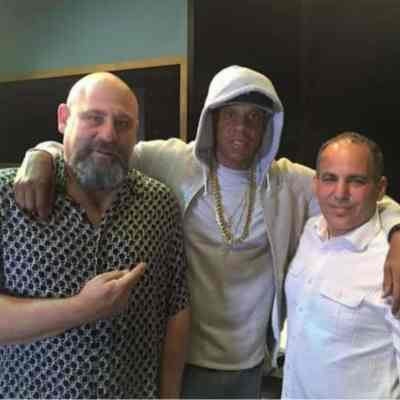
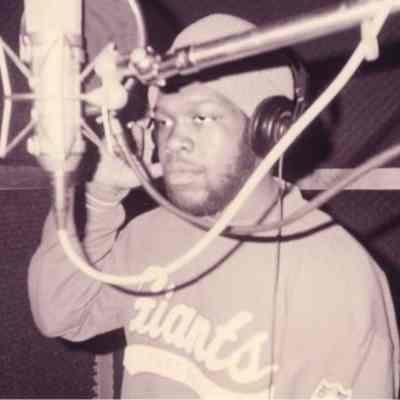
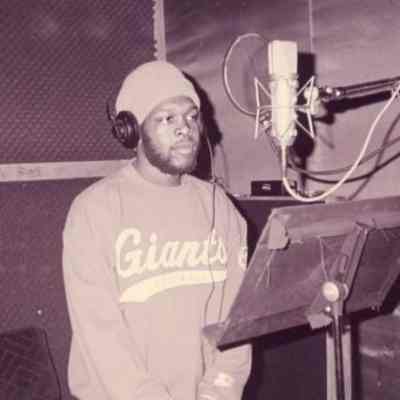
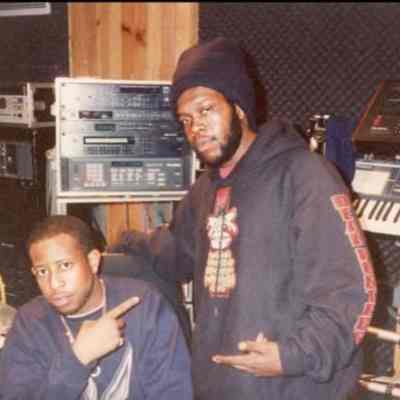
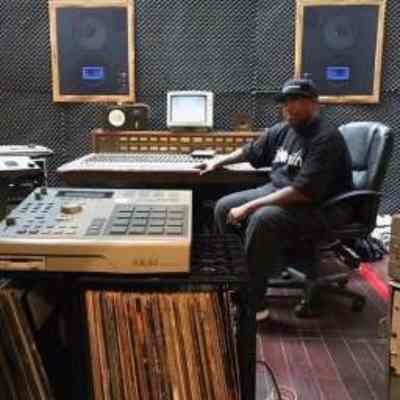
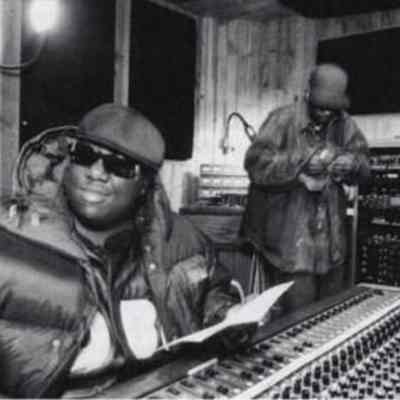
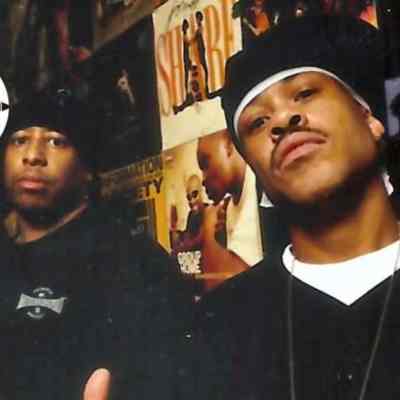
There might not be a more important site in Hip-Hop’s history of notable sound than D&D studios. Getting its start as a place to record rock music in the early 80s in the Bronx, D&D migrated to the garment district of Manhattan at 320 W. 37th Street and planted its feet firmly in Hip-Hop. D&D, named for its founders Doug Grama and Dave Lotwin, helped to define a style of boom bap that purists might refer to as real or a so-called “golden era” of Hip-Hop and the common listener might know simply, as dope. The records that came out of D&D changed the way we think of the music and they helped to make street poets household names and cultural icons. Nas, Jay Z, Biggie, Big L and Guru and a slew of other artists that might grace your Top 5 made a home at D&D, a studio that operated more like a community center, built on camaraderie and brotherhood as much as on the sound that DJ Premier, and others like The D.I.T.C crew and Da Beatminerz, fostered in the lab. Those producers, and more, were mining samples and utilizing a DIY approach to molding an organic, crisp, booming sound that would help to define a generation.
Recording a record or album was not an easy feat in the day. An artist would have to know someone who knew someone or rent a space that had access to incredibly technical and expensive recording equipment. It was the days of floppy disks and infinite wires and giant sound boards, when the studio cost prohibitive and access meant everything. D&D created a novel space of engagement, brotherhood, support, and community vibes that reached folklore status and supported all aspects of Hip-Hop – the party, the bullshit, the craft, and the discipline it takes to dope, all the while offering a once in a lifetime opportunity to enter into potential legend status and the forever annals of the eternal ear – for those that were willing to do the work.
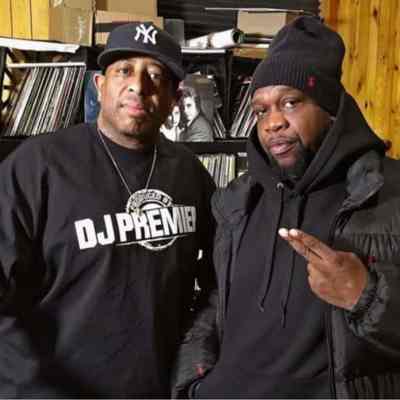
D&D closed their doors in 2004, but not the spirit nor the movement. DJ Premier
maintained the studio years afterward and now D&D is set to put out the first of a slew of compilation albums, including never-before-heard records from that era.
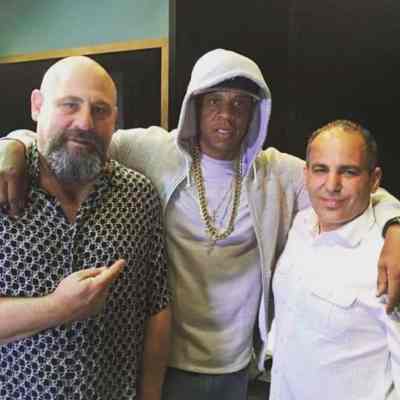
The Fly Paper sat with Doug and Dave to reminisce over the era that made your favorite records, to talk about how the studio was sort of a meritocratic proving ground for some of the illest emcees and producers the genre has shared with the world.
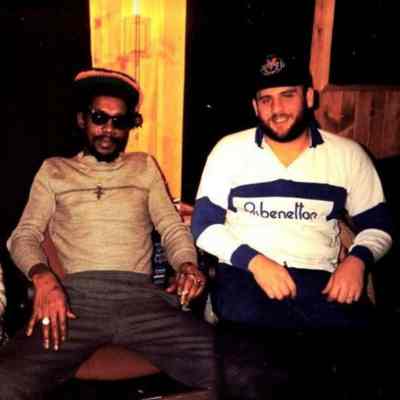
Dave: We incorporated in 1981. (The initial D&D Studio) It was an eight-track recording studio by the Bronx Zoo. Whoever had the hourly fee, we were happy to record. I just got off the road with Peter Tosh. I was very blessed to spend some time with him in Jamaica and do some records down there. So when I came back, a bunch of the reggae cats came through. We had one of the best reggae engineers in the world, Dennis Thompson. He became a huge draw. And our vibe was very laid back, we were herb-centric to a degree. A lot of the studios at that time were corporate. We were… just chill and started with that vibe.
Doug: It was a forever-changing time. We were coming from a different era, a different world. I was making records, pop records, and we were doing jingles. It was pretty professional stuff. I’m an engineer. I’m trained. I went to school. I worked as an intern and as a studio assistant. I had a mentor, this guy Phil, who was amazing. He wore pens over in his pocket, one of those really nerdy guys, but he was really smart. And I learned a lot from him, how to run a studio, how to set up a studio. I assisted with engineering on a BB King album that won a Grammy. I had a little money kicking around. Dave and I both had a little money and we wanted to do something.
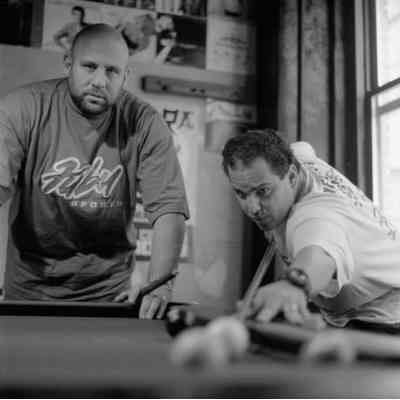
Dave: Hip-Hop really didn’t happen on any kind of bigger degree until we moved to Manhattan. And I think the Hip-Hop guys who did come through and saw the vibe and the ganja and the pictures. Over time, we had a pool table, we built up over time, and it was a vibe. D&D was a vibe. And that definitely has to do with creativity, music, and your environment. It’s all intermingled with who you are.
Doug: New York was a melting pot of different styles. The punk scene, the rap scene. We were very involved in reggae music. Reggae artists would get a lot of gigs over here. All these groups used to come by and record a whole album in a day and mix it the next day. And then they’re out of there. That’s how I did records.
I always looked at it like, you had to be a player, even if you were programming, you were a keyboard player, and you programmed. The DJ, you know, the sampling, that’s an art. That’s dope. I liken them to jazz musicians. (Hip-Hop) was definitely different, and I wasn’t resistant; I would say I just didn’t realize the enormity of what was about to happen.
Dave: Very early on, we worked with T LA Rock and The Fat Boys. Their manager, Charlie Stettler, was such a force. I mean, just watching him make his moves and what he did with that group, getting him into the movies (Krush Groove and Disorderlies), was an amazing thing.
DJ Premiere, aka Premo, was, along with Pete Rock and others, though arguably the GOAT producer of all time and certainly of the genre, the architect of the style and sound that became known as Boom Bap, the guttural and vibrant percussion elevated into with samples into sparse and complex polyrhythms over which an emcee could shine. D&D Studios was a successful studio and business for sure, but certainly is prominent in Hip-Hop lore because it was the house that DJ Premiere built.
On DJ Premiere
Doug: I saw the switch and thought the DJ was going to play a prominent role now in production. When I first started, there was no DJ. No DJ is coming to me to produce records. It wasn’t clear to me until I started hanging out with DJ Premiere, when he’s making these records, that you know, were some of the biggest records ever in Hip-Hop. I was just sitting there with him, and I’d watch him. We’d talk, we’d smoke, we’d hang. I would finish my session around midnight, and then go into his room. I was in Studio A, he was in Studio B, and I just watched him do his thing.
Dave: We had great engineers. We had great prices, compared to other studios, we were making deals. And you know, success breeds success. But once DJ Premier got in there, it was over. Because that’s where he worked and if you wanted anything from Premo, you had to go to D&D. And that’s what really put us on the map.
Doug: Lord Finesse introduced us to DJ Premier. Lord Finesse worked with us and brought him in. I forget the name of the studio right now, but he was working somewhere else, and decided to come to us. I mean, that was just a stroke of luck. He’s gonna be a big Hip-Hop producer. He does jazz. He’s on EMI Records. That’s professional.
Dave: He was just my guy. We hung out and became very close. I went on a tour with Gang Starr. We spent weekends together. I traveled with them. I went all over the country. He was a dear, dear, dear, and still is dear friend. Beyond the studio.
He’s one of the kindest, smartest guys on the planet. But he takes no nonsense. Believe me, you know he’s a real cat, and he gets respect. They used to call him Tony, back in the day, with the Sopranos. He’s the leader of the group. And listen, it’s his ears. He hears things…
The sound of D&D studios was hand-built intentionally, by Doug and Dave, in conversation with DJ Premier, to create a rich, lo-fi resonant sound, a sample-rich, soulful, reverberant tapestry that allowed and accounted for the percussive and melodic solo of the emcee. Boom-bap was sort of what Elvin Jones was to John Coltrane or Clyde Stubblefield was to James Brown. Peanut Butter and Jelly rolled in a blunt with new Nikes.
Doug the primary architect of the technology behind that sound, explains:
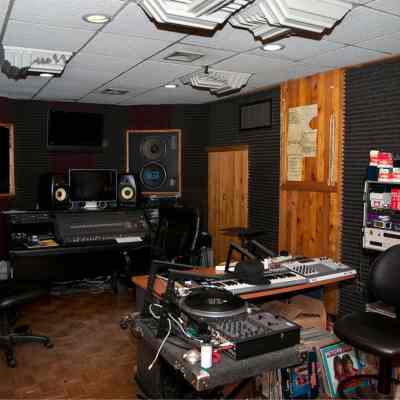
We didn’t have a lot of money to do our place. There wasn’t a Home Depot. There was no Amazon. It was hard to find things. You had to get in the car and drive. It’s a big difference when you had to go to Canal Street. It was much, much harder and we weren’t financed like (other studios). We were limited. But for some reason, people dug the sound. We had the rooms tuned. They were professionally done. It wasn’t just speakers running. It was EQ. It was tuned back in the day.
The main difference was that our room had MCI consoles. Everyone else had SSL consoles. An SSL is like a half a million-dollar board, at minimum. We didn’t have that kind of money. We bought our board from an RCA Records auction. A board that Elvis recorded on. And that became Premier’s board. The one he used. It had special transformers in there that made the sound hard. We had to maintain those studios because speakers were blowing out and popping like crazy. In Premiere’s room we built subwoofers. We built them. We didn’t buy them. That’s how you did it. And Premo would get complaints all the time from the guy downstairs, because the whole building would rattle.
I was an expert in getting the job done. It wasn’t like I knew everything, but I knew someone who knew how to do it, I’m gonna figure it out no matter what. I’m pre-Google, pre ChatGPT. I’ll figure it out. That’s really what it is. I know how to make records.
D&D’s sound is forever ingrained on wax. But the camaraderie, the community that was built within those walls, in the booths and lounges, waiting, hoping to record something ill and profound, is what made that sound possible. Creativity is always emboldened and strengthened by those around the individual, a sort of collective spirit or aesthetic through line emerges to help establish connections, inflections and core values of what a group of people, creating in a particular moment, might have held dear. At D&D that space was thoughtfully and organically curated by Dave and Doug.
Doug: It was just a natural thing. The studio is a creative place where we welcome all people. It wasn’t like a plan, like we’re going to be like this. We just saw it. The classic example is, we saw people smoking blunts, we saw them drinking 40s. What do we do? We put 40s and blunts in the candy machine. And people loved it.
We would get along with everyone; that was the vibe. You’d come in, you’d sit, you could talk, you could hang, you can play pool. You can make music, get creative. You want to jump on a song for me, great. It wasn’t just like we were these studio owners. We were also, you know, we were trying to make a name for ourselves… putting out music.
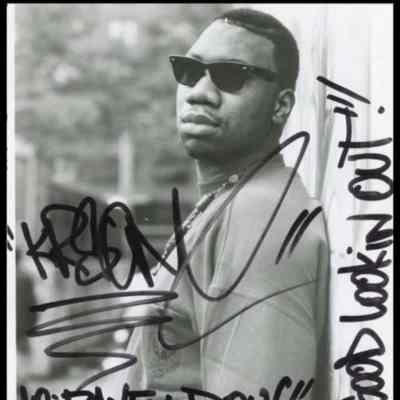
Dave: Listen, we had KRS-ONE. We had Big Daddy Kane. We had some of those brilliant people on the planet spitting knowledge behind incredible beats. If you look at the stuff that D&D is famous for, it’s mostly their first records and first hits. Whether we’re talking about Jay Z, Nas, Biggie, we are talking about the beginning of their careers, truly.
We asked for specific memories about some of these artists.
On Biggie
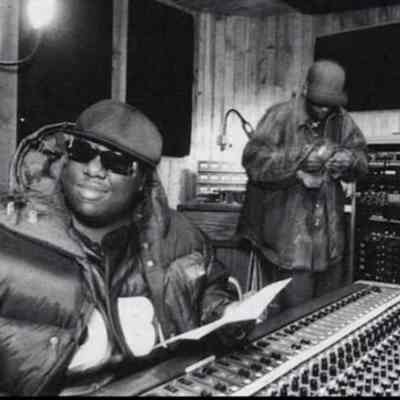
Dave: I was sitting there when Biggie spit 10 Crack Commandments. I was in the room, which, you know, I get a chill now, talking about. After everyone left, we went back with Prem, and he was working out the cuts and all the scratches. And we got to watch that guy work
Doug: I mean, listen, I saw him make the big 10 Crack Commandments. I remember seeing him scratch that. That to me was the most ultimate thing to see, because it was so good. You knew it was amazing. Three days later, it was on HOT 97. Yeah.
Ten Crack Commandments is on Biggie’s posthumous record Life After Death and features DJ Premier scratching Public Enemy front man Chuck D counting down on “Shut ‘em Down”. Big is writing a “manual” for narcotic entrepreneurs over a sparsely cut Premo bounce track.
On Jay Z
Dave: Jay was young. He used to be up there with Jaz O. You just knew how brilliant he was from his style and his lyrics and his flow and his attitude. You knew he was going to be something super special. And listen, Jay fucked never around. He was never smoking pot. He was never playing Cee-lo. He was never hanging out in the lounge. He and Primo were in there working with doors locked. He was a real cat. He was not about anything but work for real, He was about it. And he was also really cool, really kind, so respectful and so nice. I mean, it’s unbelievable. You know, part of our theme, it certainly has to do with Jay. You know, he always gave us props.
On Jay Z’s song, “So Ghetto” he ends his second verse with the couplet:
“We all from the ghetto, only difference, we go back
Back up in D&D on this Primo track”
Doug: He was there way before Reasonable Doubt. Big Jaz had a deal with EMI, and he used to record out of our studio. He would bring Jay Z. We said to Jaz, let’s do three songs together, and maybe we’ll do something. So he did it, and Jay Z is on all of them. I have those masters. They were never released.
On Nas
Dave: He was very focused. These are the cats who were not hanging out. These are the cats who are just in the room working. He was up there a lot. When Primo needed some voices for Represent, he came and got Lil Dap from Group Home and a lot of guys just hanging out that was up there. It was just a family, and Nas was very much part of that, very comfortable with all the Gang Starr guys.
Doug: I remember them saying, “Oh, this young artist, he’s supposed to be really good. He’s on CBS Sony, and he’s gonna come by.” And he was so young. I saw this kid there. It was like him and Mobb Deep. They were both so young when they started this, before they had anything, and to see them smoking blunts, sitting there smoking blunts, I’m like, ‘Oh, what is this guy gonna do?’ My God, you know.
On Guru
Dave: Guru was a very brilliant guy. Very different from Prem. He had his own thing. He had such a sense and a style and his rhyme style. And together they just, made history. They were so brilliant. Guru would write the name of the song, and then they would create around that. He was very focused. They had a very tight crew. Guru was very special cat. Very laid back at times, and very amped at times.
Doug: Guru commanded space. You know, like ‘it’s my record. I’m making this record here’. They would have their whole Gang Starr Foundation here, always. Jeru sitting here, and Little Dap and Malachi. Afu. Big Shug. They were all always there. They were there before Premo was there. Primo would meet some guy in the street, talk to him for four hours, and everyone’s waiting for him. The engineers, the studio assistant. All his boys are waiting there. It was very funny. It was very typical.
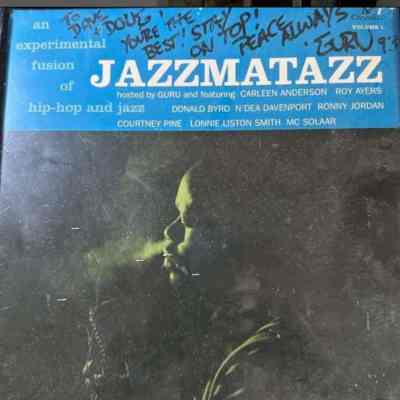
Guru was volatile and a lovely guy. He could snap. He’d be fighting with Shug, or anybody. He drank too much and that wasn’t a great scene. But he was a star. He did the whole Jazzmatazz thing, which was great. He needed to get from under the wing of Premo and show that he can make records like that. I think with a little more confidence, they would have never broken up. I think it just got a little insecure, you know. Maybe the drinking, who knows? People talking shit in your ear. It happens always.
D&D’s imprint into the sonic space of the largest global youth counter-to-sub-and-pop culture will be forever resonant. Go back and listen to DWYCK, Come Clean, Who Got the Props?, Unbelievable, Ebonics, MCs Act like They Don’t Know, Ante Up, and remind yourself, or hear for the first time, why the culture continues to be so vibrant and influential and elastic and unfuckwittable, decades after its creation.
And D&D does not stop. They are set to put out a compilation record in the summer of 2025. And the imprint on the culture stays bouncing in our Jeeps and earbuds til infinity. They helped mold a sound and vision resonates and inspires generations after their close in the early aughts. DJ Premiere kept the studio up, producing records for a while, but the demise of the traditional recording industry made rent and upkeep too much of a hassle.
There are stories for days, but I’ma leave it out on that note:
Doug on MOP: Billy from MOP called me one night at like, three in the morning. He’s like, ‘I’m locking down your place. My chain is missing, and no one’s allowed to leave.’ I’m like Billy, It’s three in the morning. He goes I’m telling you because I love you. That’s why I’m calling you because I just would have killed this guy, because we think we know who it is. I go, ‘Billy, do what you gotta do, bro.’ It ended up being one of the assistants, or the interns, and they beat the shit up out of him, and we never saw him again. That was that. And they got the chain back.