










The Cypher at Oxford: Five Pillars, One Heartbeat
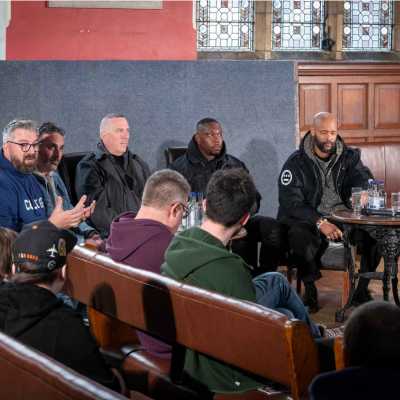
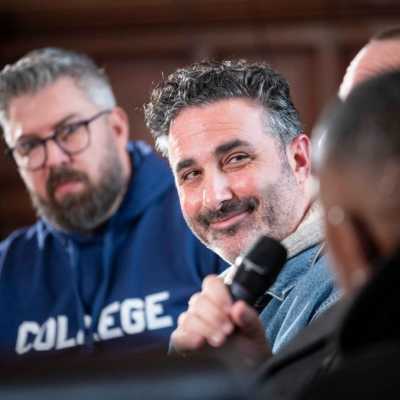
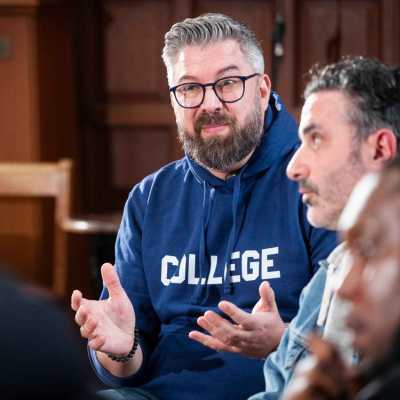
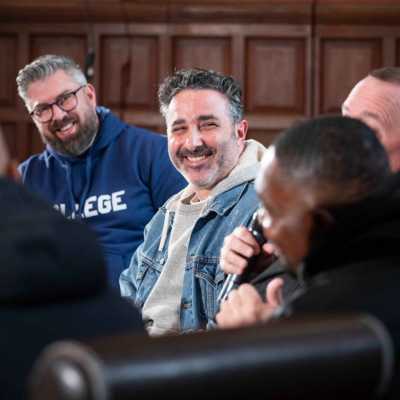
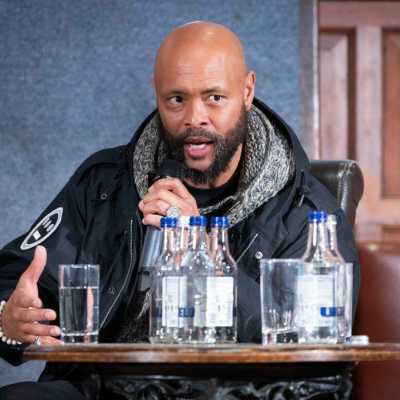
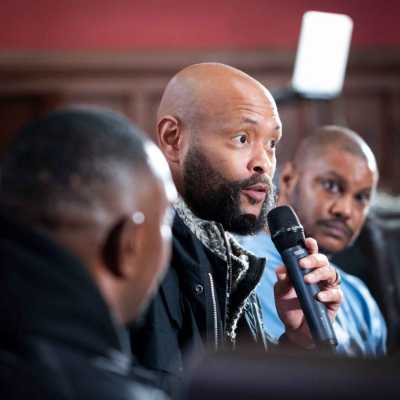
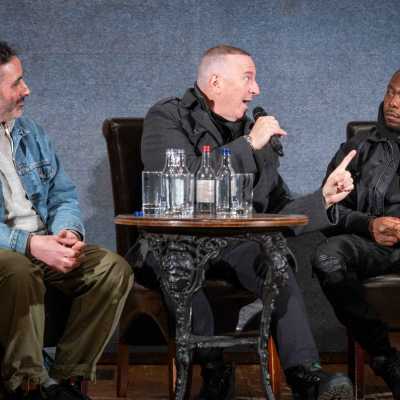
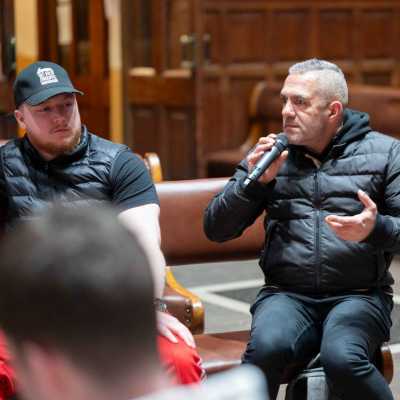
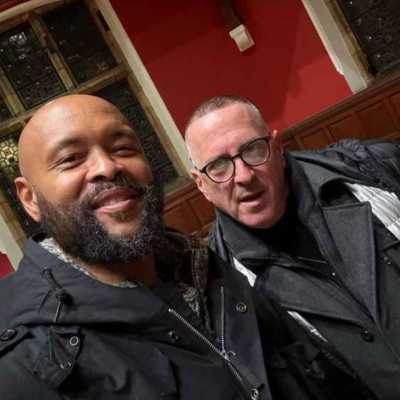
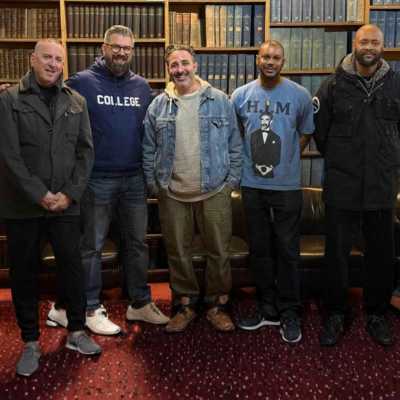
Beneath the vaulted ceilings of Oxford University, a hall built for Latin lectures and academic debate hummed with a different frequency. The air, usually thick with theory, was charged with the raw, rhythmic pulse of Hip Hop. Five distinct voices—DJ Yoda, MC Serch, Dizzee Rascal, Tajai, and DJ Bonds—formed a living cypher on stage, their stories weaving the past, present, and anxious future of a culture that had outlived prophecies of its demise.
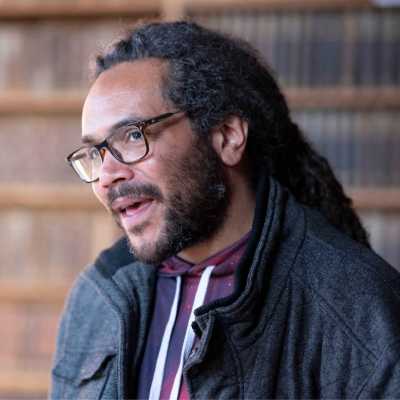
Montana Butsch, the moderator and an Oxford alumnus, opened not with a thesis, but with a testimony. Hip Hop was his “soundtrack,” he said, outlining its five elements with the reverence of a scholar detailing sacred texts. But this was no eulogy for a faded art form. His question to the panel was a live wire: “Is Hip Hop in a good place?”
The responses painted a picture of a culture at a crossroads, vibrant yet wrestling with its soul.
Tajai, of Souls of Mischief, grounded the discussion in concrete dust and necessity. His narrative stretched back to Oakland street corners, where a camera and courage were the only entry fees. “Hip Hop was born from lack,” he reflected, his words underscoring a foundational truth. Even now, with stadium tours and smartphones, he saw the same spirit of insurgent creativity battling an industry that only backs “what it sees as profitable.” His was a story of resilience, where limits breed innovation.
From across the Atlantic, Dizzee Rascal nodded to a new frontier. His chapter in Hip Hop’s story was penned on the screens of social media. For marginalized voices, he argued, these platforms weren’t just apps; they were emancipatory tools, dismantling old gatekeepers and allowing Black and Brown stories to stream directly to a global audience. His journey from Bow council estates to international stages was a testament to this seismic shift.
Between them, DJ Yoda, the “white Jewish kid from London,” beamed in from the digital avant-garde. His story was one of fusion—audio spliced with visual, tradition colliding with AI. “Hip hop is the voice of everything,” he declared, seeing not dilution in its globalization, but boundless expansion. In his view, the culture was a shapeshifter, absorbing new tech like a sampler absorbs sound.
But MC Serch, the veteran from Queens, injected a note of protective urgency. Watching reggaeton eclipse Hip Hop in downloads, he saw a culture risking irrelevance by talking to itself. “We have to speak to the people,” he insisted, his tone that of a concerned elder. His story was one of preservation, of hand-delivering records to radio stations—what Montana wryly called “crop dusting good music”—and of building museums to house graffiti art. For Serch, evolution wasn’t optional; it was survival.
Yet, in their tension, there was unity. When the discussion turned to recognition and legacy, their philosophies aligned. Tajai dismissed shortcuts: “What’s meant to rise will rise.” Serch championed passion over profit, Bonds emphasized the DJ’s renewed power as a digital-age tastemaker, and Dizzee preached the gospel of business savvy. Their collective advice to the next generation wasn’t a blueprint for fame, but a code for integrity: Be authentic. Outwork everyone. Each one, teach one.
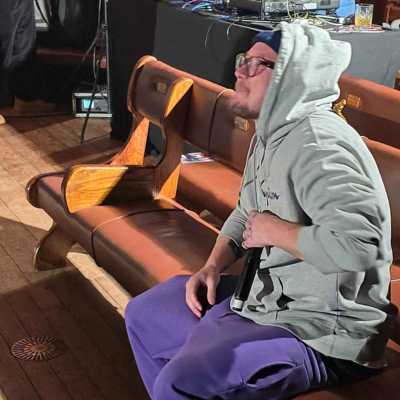
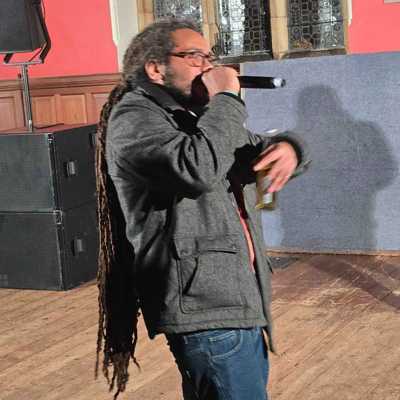
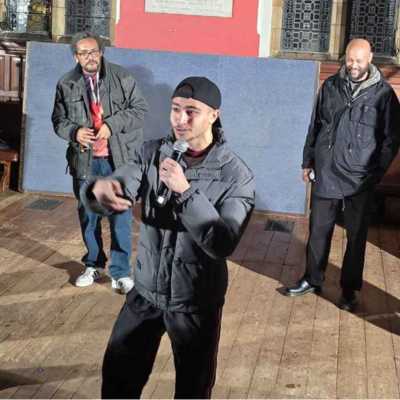
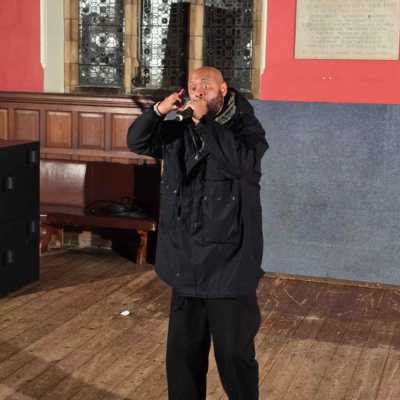
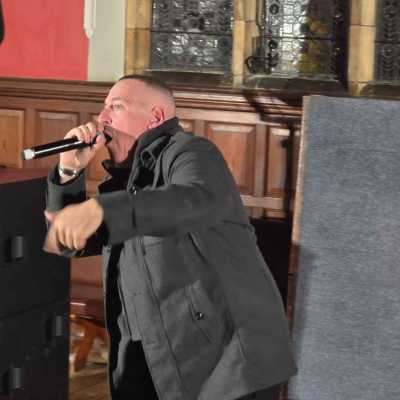
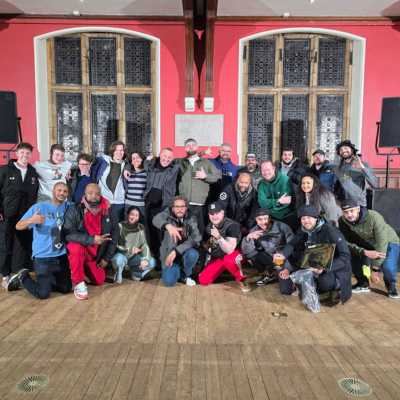
As the formal discussion melted into a Q&A and then into performance, the theory became practice. DJ Bonds’ needles sparked the flame. Local emcees, seizing a legendary stage, spit with ferocious pride. Tajai, under his alias “Rap Noir,” and Serch with his classics, transformed the Gothic hall into a vibrant, shaking cipher. The distance between panel and crowd, between past and present, dissolved into a shared, thunderous now.
The event was more than a panel; it was a qualitative snapshot of a living culture. It revealed Hip Hop not as a monolithic genre, but as a ongoing argument, a set of contradictions held together by sheer passion. It’s a culture arguing with its history, wrestling with commerce, and tentatively embracing a future where a kid with a phone in Lagos or Leipzig can contribute to the next verse. The story told at Oxford, though arguably incomplete by missing more youth and more women’s voices, still captured the essence of Hip Hop itself: forever being written, forever being challenged, forever alive.
And that’s a mic drop.