
THE INTRO
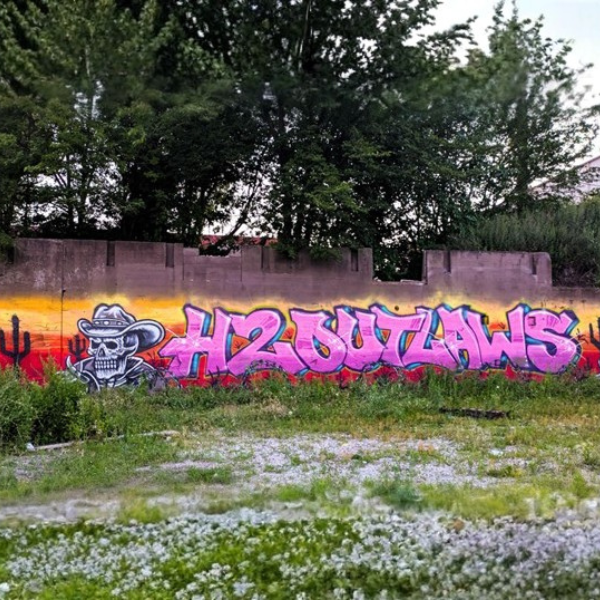
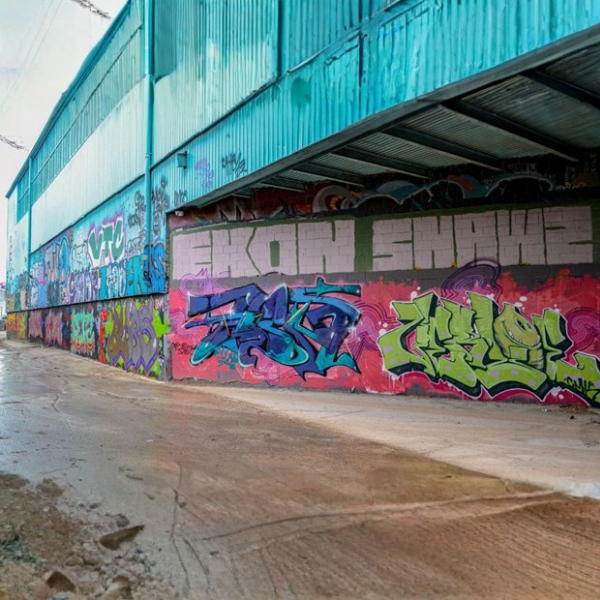
Graffiti is a rose that grew out of concrete. An art form born from the ingenuity of kids that wanted to fuck shit up in the best ways possible and to leave their mark everywhere. The bombers were reckless; they sought freedom, notoriety, and an escape. Graffiti has traversed the world from the U.S. to become an international community of writers, embracing the duality of competition and collaboration. Graffiti has lineage, roots in tradition, and unspoken rules. It is born from a renegade mindset; it’s both illegal and ruthless. The focus is on letters, craftsmanship, and developing your style and getting up, whether solo or in a crew.
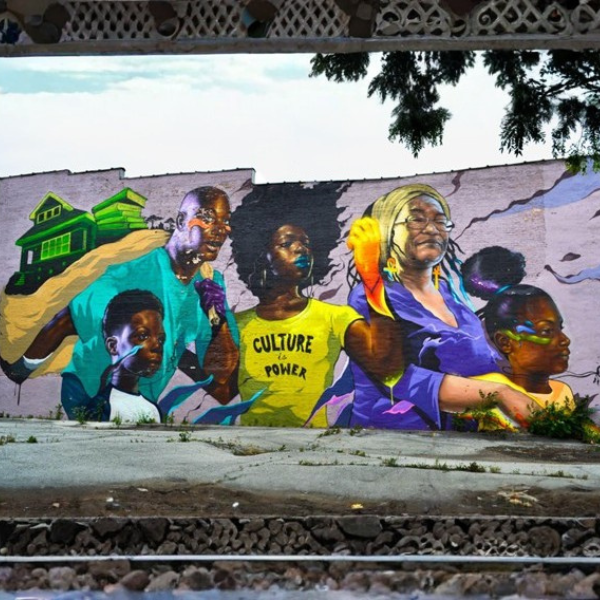
Graffiti has always been political and recognized in mainstream media as vandalism, prompting crackdowns and demonization. Old news headlines were all about this from the East to the West and everywhere in between. Then, a shift toward accolades occurred in the 2000s. Writers got features in magazines, news, and mainstream culture, with positive coverage. Graffiti formed its’ own museums, festivals, and magazines. From pockets in the U.S., Graffiti and Hip-Hop culture sprouted and spread, becoming more than a language; it became a form of expression and resistance.
THE BACKDROP
There’s always a squabble about who started Graffiti and where, but one undeniable fact is that the roots sprouted in Philly and NY. It’s important to note that, before writers scrawled monikers everywhere, gangs were the first to utilize Graffiti with names and symbols to mark territory and honor the departed. In the 60s, writers like Cool Earl, Dr. Cool No. 1, Knife, Cornbread, and Bobby Cool were tagging all over Philly, gaining reputations. In New York, tags were thrown up on every inch of the subway by writers like Julio 204, Taki 183, Futura 2000, and Phase 2. Taki 183 was a major figure then with the New York Times doing a feature on him in 1971, “Taki 183 Spawns Pen Pals,” which upped the ante for writers everywhere on how to get notoriety.
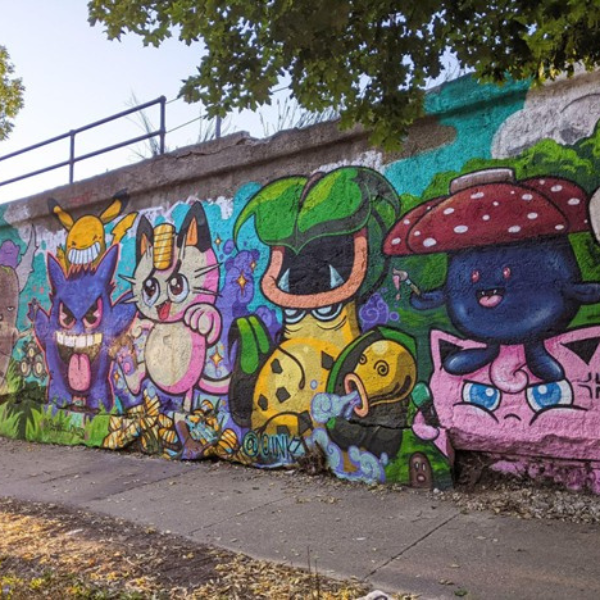
Through the 70s and 80s, Graffiti pieces became more complex and detailed, and full train cars were bombed by crews. Painting started to include characters, highlights, shadows, effects, arrows, messages, and full productions. Graffiti started to place importance on style and quality, not just on being the most up.
THE ART WORLD KNOCKED
When Graffiti finally hit the fine art world, it was an undeniable form of expression. The art collective, United Graffiti Artists (UGA), formed by Hugo Martinez, a City College student studying street gangs and Puerto Rican Graffiti writers, linked with HENRY 161, SNAKE 1, SJK 171, MIKE 171, STITCH 1, HENRY 161, WICKED GARY, BAMA, COCO 144, PHASE 2, and more to build the collective. They were the first to promote Graffiti as a legitimate art form with gallery shows that brought in art critics and collectors (and money!).
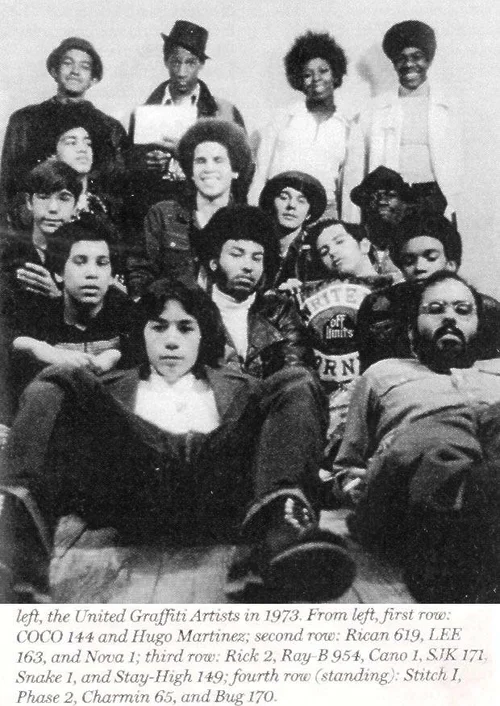
The first show they had was in 1972 at City College, and The New York Times wrote about it! Martinez then had the idea of integrating Graffiti with live performances. He collaborated with Twyla Tharp and the Joffrey Ballet, bringing 18 writers on stage to paint while dancers performed, Deuce Coupe. One month later, New York magazine wrote about the Graffiti movement and UGA members, leading to a huge group show at Razor Gallery.
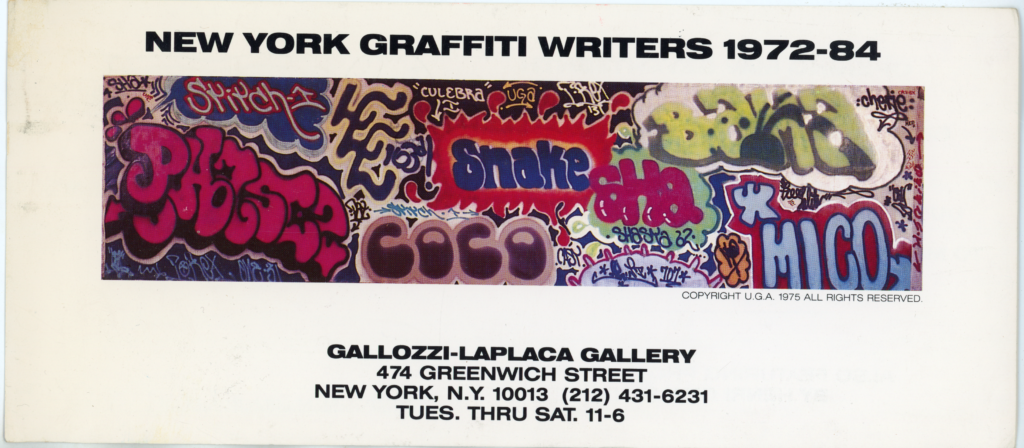
Flyer for 1972 showcase
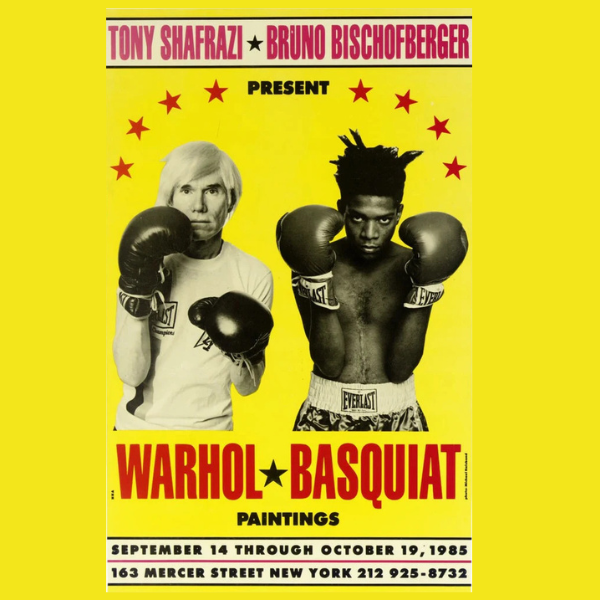
Jean-Michel Basquiat was a pioneer for the culture. He landed in galleries due to his street art, starting by writing SAMO (same old shit) with his high school buddy Al Diaz and scribbling satirical political messages across NYC. Influences learned here carried over to the canvas. 1981 was his first gallery showing and this exposure ultimately led him to be called the Black Picasso, and an enduring friendship with Andy Warhol which resulted in over 150 collaborative works. Though he died at 27, Basquiat became a world-renowned artist, with his paintings selling for over $100 million today.
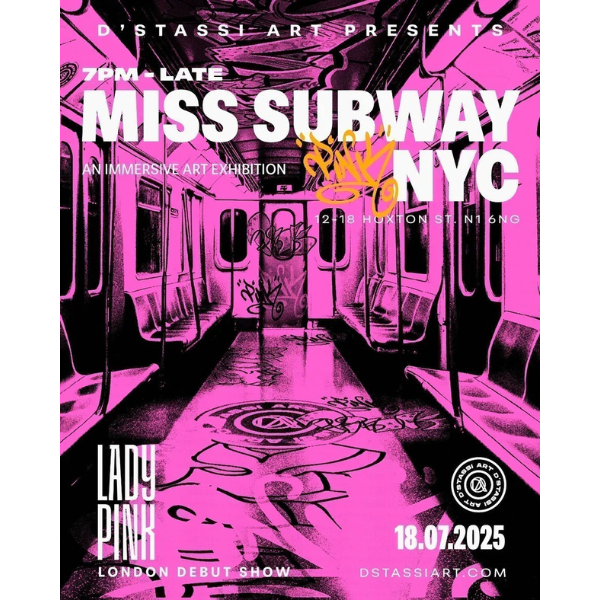
Another famous example, Lady Pink, is a badass who made a name for herself as one of the few females in the male-dominated world of Graffiti. She starred in the movie Wild Style and bombed trains as hard as guys did. Stepping back from Graffiti, she shifted her artistry to gallery work with imagery reminiscent of her life experiences. Her work began showing in galleries while still in high school and grew to worldwide fame, showing in the MET, the Whitney, the MoMA, the Groninger Museum, and, most recently, D’Stassi Art in London. She’s also led to work with brands like Supreme and Louis Vuitton.
THE MASSES NOTICE
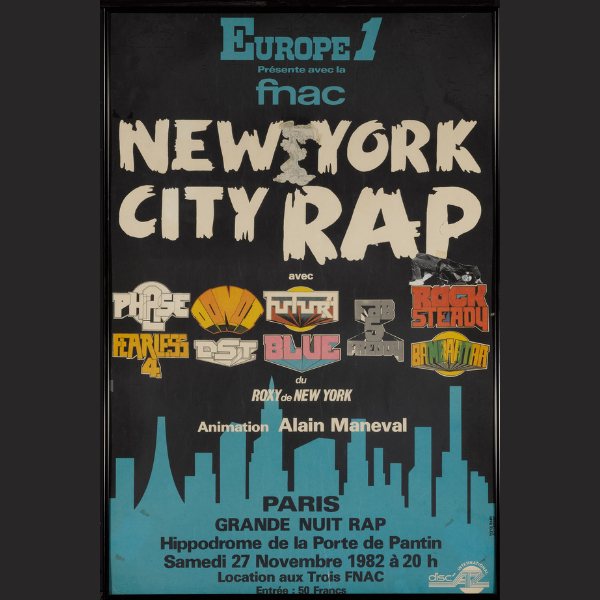
The movement rapidly spread. Thanks to the 1982 movie Wild Style by Charlie Ahearn – loosely based on Lee Quinones’ life and career, the 1983 documentary Style Wars following Dondi, ZEPHR, MinOne, and Skeme, and the 1984 book Subway Art by Martha Cooper and Henri Chalfant, exposure kept hitting. Writers gained more recognition by painting on stage with performers or appearing in music videos. Fab 5 Freddy and Basquiat were in Blondie’s 1981 music video for their song “Rapture,” in which Fab 5 got name-checked. The first international Hip-Hop tour, The New York City Rap Tour, hit Europe in 1982 with writers Dondi, Phase 2, and Futura 2000 painting live on stage while MCs and breakdancers performed.
MAKING ART TO MAKE A STATEMENT
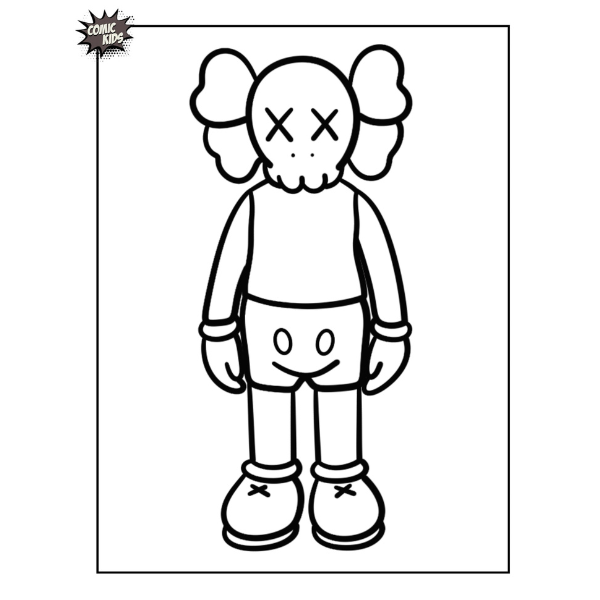
In the 2000s, names that hit hard were KAWS and Banksy, both heavily circulated inside and outside the art world. KAWS is a good example of breaking the glass ceiling commercially. He started off doing Graffiti and tagging advertisements on the street with his character Bendy. Later came the signature Companion, designed in 1999 in collaboration with a Japanese toy and streetwear brand, Bounty Hunter. The character resembles a cross and bones Mickey Mouse with the eyes X’d out. A comment on capitalism. This sold out quickly and led to a pop culture phenomenon similar to Labubu’s of today. The success led to installations of Companion in museums, galleries, and even a 40-foot one being flown in the 2012 Macy’s Thanksgiving Day Parade. KAWS has collaborated with fashion brands like Supreme, BAPE, Dior, Nike, rapper Kanye West, and MTV. The successful market appeal of Companion was due to garnering a fanbase of art collectors and the masses outside the art world.
Banksy, synonymous with street art, took up stenciling while running from the cops as a faster way to get his messages up. His work is a potent paradox of anti-establishment political statements and capitalism, some of his stolen pieces going for over $25 million. His anti-capitalist public art would be torn out of the walls and sold, whether he consented or not. And his work is still hitting hard – see the recently unveiled statue titled “Blind Faith” he recently dropped in London!
COMMERCIALIZATION – MUSEUMS – RECOGNITION, RESPECT, and ACCEPTANCE?
A big part of the commercial appeal of Graffiti for brands is to be both visually appealing while also upholding a no-rules ethos that appeals to a younger crowd. Though some Graffiti purists may say commercialization is selling out and against the culture, maybe gallery involvement, collaborations, and commercialization are just another way to get up? A legit way to fame, recognition, and survival?
Regardless, Graffiti has become a globally accepted genre in the art world with dedicated museums and international festivals repping its work. The Meeting of Styles in Germany, The Brooklyn Museum in NYC, The Museum of Graffiti in Miami, Art Basel, The Wynwood Walls, (SAM): Street Art Museum of Saint Petersburg, and Berlin’s Museum for Urban Contemporary Art are just some of the places representing.
Additionally, for writers today, social media has become the portfolio, marketplace, and networking center. The power is now in the artist’s hands over how they curate their presence. When asked his perspective on the current situation, writer JADE93 said, “Monetizing attention is everything now. Social media brought it to the forefront.” He mentioned that for his generation of writers, though they came up not being on video, not wanting to be seen. That’s idealogy has fipped in today’s short-form content world. Time-lapse pieces of productions, brazen throw-ups, sick rappels down buildings, and blockbusters on billboards are common online. Writers have to market themselves if they want notoriety and to make money from their craft.
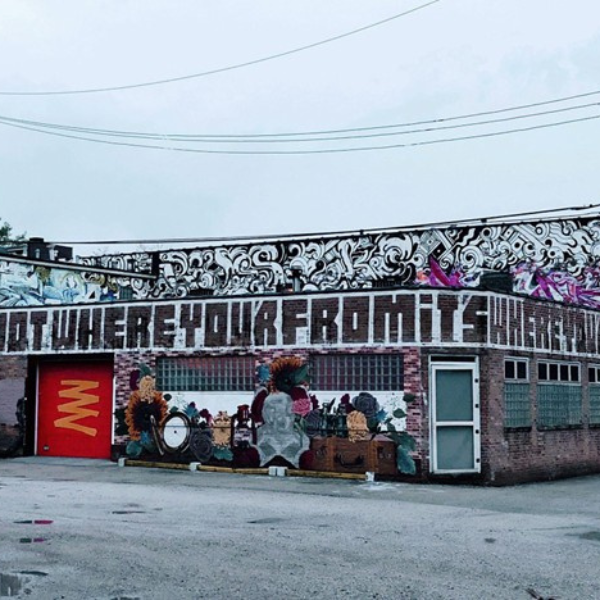
Some writers in recent years include REVOK, VAYNE, POSE, SEN, SABER, BODE, and MODE 2. REVOK’s gallery work steps back from Graffiti and focuses on contemporary work while still killing it on the street. VAYNE has made a name for himself in Atlanta with Graffiti work showing in galleries while still making blockbuster pieces around the city. Two rappel artists, ZWON and ZONER, do dynamic rappel pieces off high buildings that grab your attention.
The beautiful thing about Graffiti is that true writers would be doing it whether paid or not. The passion for it isn’t monetary gain; it’s raw and unfiltered. It comes from kids doing it because it drives them, gives them a purpose. The entire process fulfills something deep in the artist that money never can. Just as JADE93 said after reading the 12-years-old the book Spraycan Art by Henry Chalfant, “I will do this for the rest of my life.” No other art form comes with as much danger and risk. It’s art that feeds the soul, built like no other, based in competition and collaboration, and ultimately, fucking the system up. It’s a calling that makes every Graffiti writer return to his black book, to get up bigger, and keep making a legacy no one will forget.